Introduction
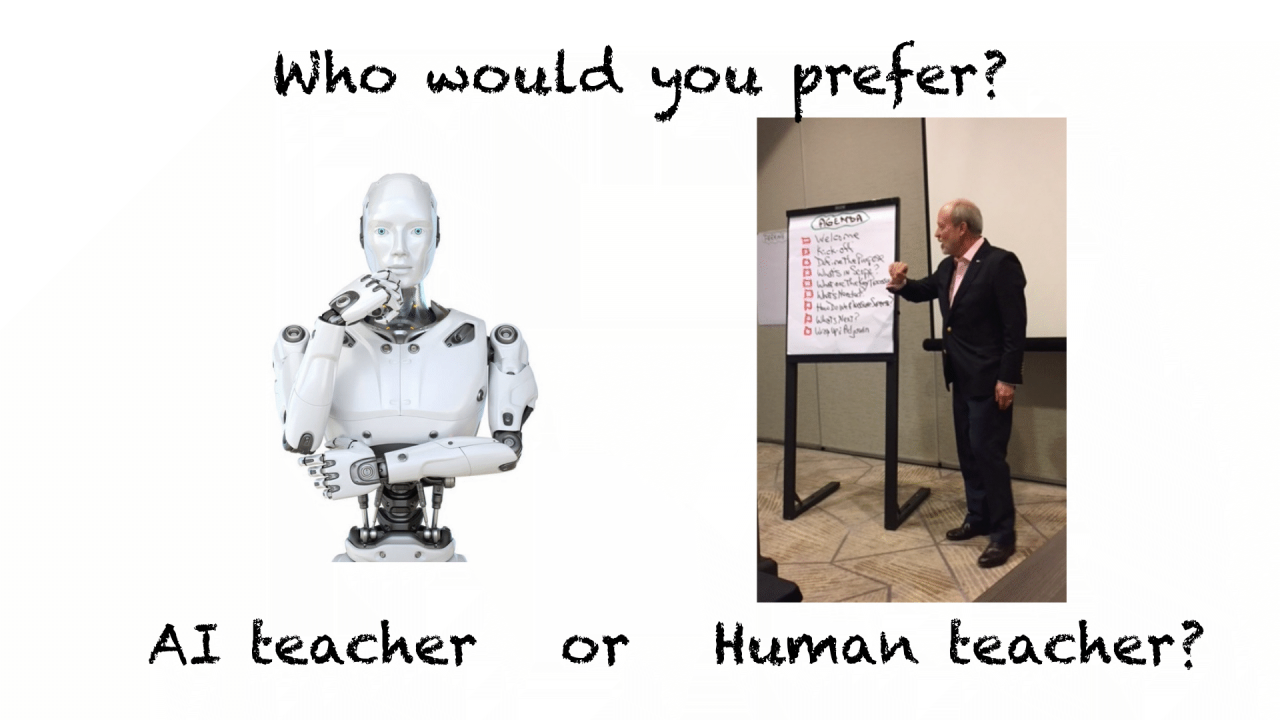
Artificial intelligence tools like ChatGPT and other learning apps are becoming common in homes and schools. Many parents now wonder: Can AI replace teachers or tutors? While AI can support learning in powerful ways, it is important to understand its limits and how it should (and should not) be used with children.
This article explains what AI can realistically do for education, what it cannot replace, and how parents can use AI responsibly alongside traditional learning.
What AI Is Good At in Education
AI works best as a support tool, not a replacement.
1. Explaining Concepts in Simple Language
AI can:
- Break down difficult topics into simpler explanations
- Offer step-by-step help for math or science problems
- Rephrase lessons in different ways until a child understands
This can be helpful when kids get stuck outside school hours.
2. Providing Instant Feedback
Unlike human tutors, AI is available anytime.
It can:
- Answer practice questions instantly
- Help kids revise before tests
- Support independent learning when teachers are unavailable
This makes AI useful as a study companion.
3. Supporting Different Learning Styles
Some children learn better visually, others through examples or repetition.
AI can:
- Adjust explanations based on how a child asks questions
- Offer multiple examples
- Encourage curiosity-driven learning
What AI Cannot Replace
Despite its strengths, AI has important limitations.
1. Human Judgment and Emotional Understanding
AI does not:
- Understand emotions the way humans do
- Detect frustration, anxiety, or motivation issues
- Provide emotional encouragement or mentorship
Teachers and tutors play a critical role in emotional development and confidence-building.
2. Classroom Interaction and Social Skills
Learning is not just about information.
Children need:
- Group discussions
- Peer collaboration
- Classroom discipline and structure
AI cannot replace real-world social learning experiences.
3. Educational Guidance and Values
Teachers:
- Adapt lessons based on long-term progress
- Teach ethics, responsibility, and critical thinking
- Set academic expectations and boundaries
AI should support these goals, not define them.
Can AI Replace Tutors?
AI can reduce dependence on tutors for:
- Basic explanations
- Practice problems
- Homework guidance
However, tutors are still valuable for:
- Personalized learning plans
- Exam preparation strategies
- Addressing learning gaps
- Accountability and motivation
For many families, AI works best as a supplement, not a substitute.
How Parents Should Use AI Alongside Teachers
Here’s a balanced approach:
- Use AI for practice and clarification
- Rely on teachers for instruction and assessment
- Encourage kids to explain what they learned from AI
- Always verify important answers from trusted sources
How This Relates to AI Safety and Responsible Use
Before allowing children to use AI independently, parents should understand safety and boundaries.
You may find these helpful:
Together, these guides help parents build a safe, educational AI environment.
When AI Tools Can Complement Teachers and Tutors
While AI cannot replace teachers or tutors, some parents choose to use AI-powered tools alongside traditional instruction to support learning between classes or tutoring sessions.
These tools may help with:
- Reinforcing concepts taught by teachers
- Providing additional practice outside class hours
- Helping students prepare questions for tutors
- Supporting independent revision and study planning
Some families explore a hybrid approach, where AI supports daily practice and human teachers focus on instruction, guidance, and motivation.
Important perspective:
AI should support learning — not replace the role of teachers, tutors, or parental involvement.
(AI study-support tools and tutoring platforms will be reviewed and added here as part of future updates.)
Final Thoughts
AI will not replace teachers or tutors—but it can enhance learning when used responsibly. The most effective approach combines:
- Human guidance
- Structured education
- Thoughtful AI support
When parents stay involved, AI becomes a powerful learning assistant rather than a replacement for real education.
Disclaimer
This article is for informational purposes only and does not replace professional educational advice.