Introduction
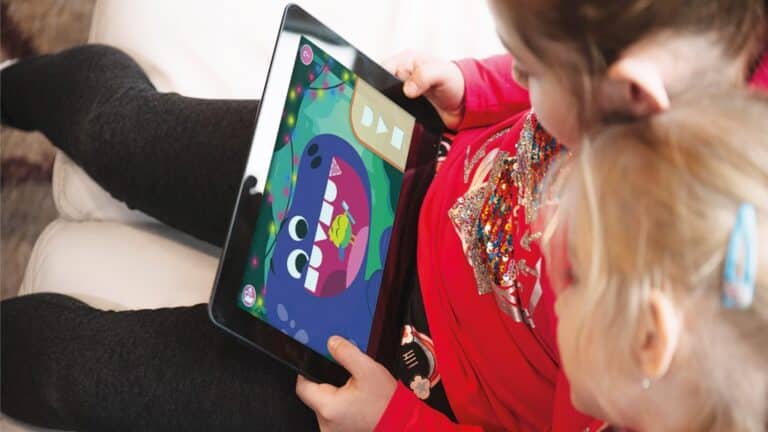
AI-powered learning apps are becoming increasingly popular among parents looking to support their children’s education at home. From personalized math practice to interactive reading help, these tools can make learning more engaging — when chosen carefully.
In this guide, we review some of the best AI learning apps for kids ages 6–16, explain how they work, and help parents decide which ones are worth using.
How AI Learning Apps Help Kids Learn Better
AI-based apps adapt to a child’s pace, strengths, and weak areas. Instead of one-size-fits-all lessons, they can:
- Adjust difficulty automatically
- Offer instant feedback
- Reinforce concepts through repetition
- Keep kids engaged with interactive visuals
When used correctly, these apps support learning — not replace teachers or parents.
Best AI Learning Apps for Kids (By Age Group)
Ages 6–8: Early Learning & Basics
What to look for:
Simple interfaces, strong parental controls, limited screen time.
Recommended app features:
- Reading and phonics assistance
- Basic math practice
- Voice-guided instructions
💡 Best for: Building foundational skills with gentle guidance.
Ages 9–12: Skill Building & Homework Help
What to look for:
Structured lessons, progress tracking, minimal distractions.
Recommended app features:
- Step-by-step math explanations
- Grammar and writing support
- Curiosity-driven Q&A
💡 Best for: Reinforcing school lessons and boosting confidence.
Ages 13–16: Advanced Learning & Exploration
What to look for:
Critical-thinking tools, research assistance, academic integrity support.
Recommended app features:
- Concept explanations (not answer-copying)
- Study planning and summaries
- Science, coding, and writing help
💡 Best for: Independent learners with parental boundaries in place.
How Parents Should Choose an AI Learning App
Before installing any app, ask:
✔ Does it collect personal data?
✔ Can parents monitor usage?
✔ Does it explain concepts instead of giving answers?
✔ Is screen time controllable?
The best AI apps are transparent, educational, and parent-friendly.
Tips for Using AI Learning Apps Safely
- Use AI in shared spaces
- Set time limits
- Encourage kids to explain what they learned
- Treat AI as a helper, not a shortcut
Learning happens best with conversation and guidance, not silent screen time.
How This Connects to AI Safety for Kids
If you’re concerned about broader AI usage and privacy, you may also find this helpful:
👉 Is ChatGPT Safe for Kids? A Parent-Friendly Guide
👉 7 AI Rules Parents Should Set for Kids at Home
Together, these guides help parents create a balanced and safe AI learning environment.
Final Thoughts
AI learning apps can be powerful tools when used thoughtfully. The key is guided usage, clear boundaries, and regular parent involvement.
Used the right way, AI can make learning more engaging — without replacing real education.