Introduction
ChatGPT is quickly becoming a popular tool among children and teenagers. Kids use it for homework help, learning new topics, writing assistance, and simple curiosity. While the technology can be incredibly useful, many parents are asking an important question: Is ChatGPT safe for kids?
This guide explains how ChatGPT works, potential risks, age limits, parental controls, and best practices to help families decide whether ChatGPT is appropriate for their children.
What Is ChatGPT and How Do Kids Use It?
ChatGPT is an artificial intelligence chatbot that can answer questions, explain concepts, help write essays, solve math problems, and hold conversations. Children commonly use ChatGPT for:
- Homework assistance
- Learning difficult school topics
- Writing stories or essays
- Exploring science, technology, and general knowledge
While these uses can support learning, ChatGPT is not designed specifically for children.
Is ChatGPT Safe for Kids?
ChatGPT can be reasonably safe for kids when used with supervision, but it is not risk-free. The tool generates responses based on patterns from large amounts of internet data, which means:
- Answers may not always be accurate
- Some responses may be inappropriate or confusing
- The AI does not understand context like a human adult
Without parental guidance, children may misunderstand information or rely too heavily on AI instead of learning independently.
What Are the Risks Parents Should Know?
Parents should be aware of several potential risks:
1. Inaccurate Information
ChatGPT can sometimes provide incorrect or outdated answers. Children may assume the information is always correct.
2. Exposure to Inappropriate Content
Although filters exist, ChatGPT may still generate responses that are not age-appropriate.
3. Over-Reliance on AI
Kids may use ChatGPT to complete assignments instead of developing critical thinking and problem-solving skills.
4. Privacy Concerns
Children might share personal information without understanding privacy implications.
What Is the Minimum Age for ChatGPT?
According to OpenAI’s usage guidelines:
- Minimum age: 13 years old
- Under 18: Parental permission and supervision recommended
Younger children should only use ChatGPT with an adult present.
How Can Parents Make ChatGPT Safer?
Parents can reduce risks by following these steps:
Use ChatGPT Together
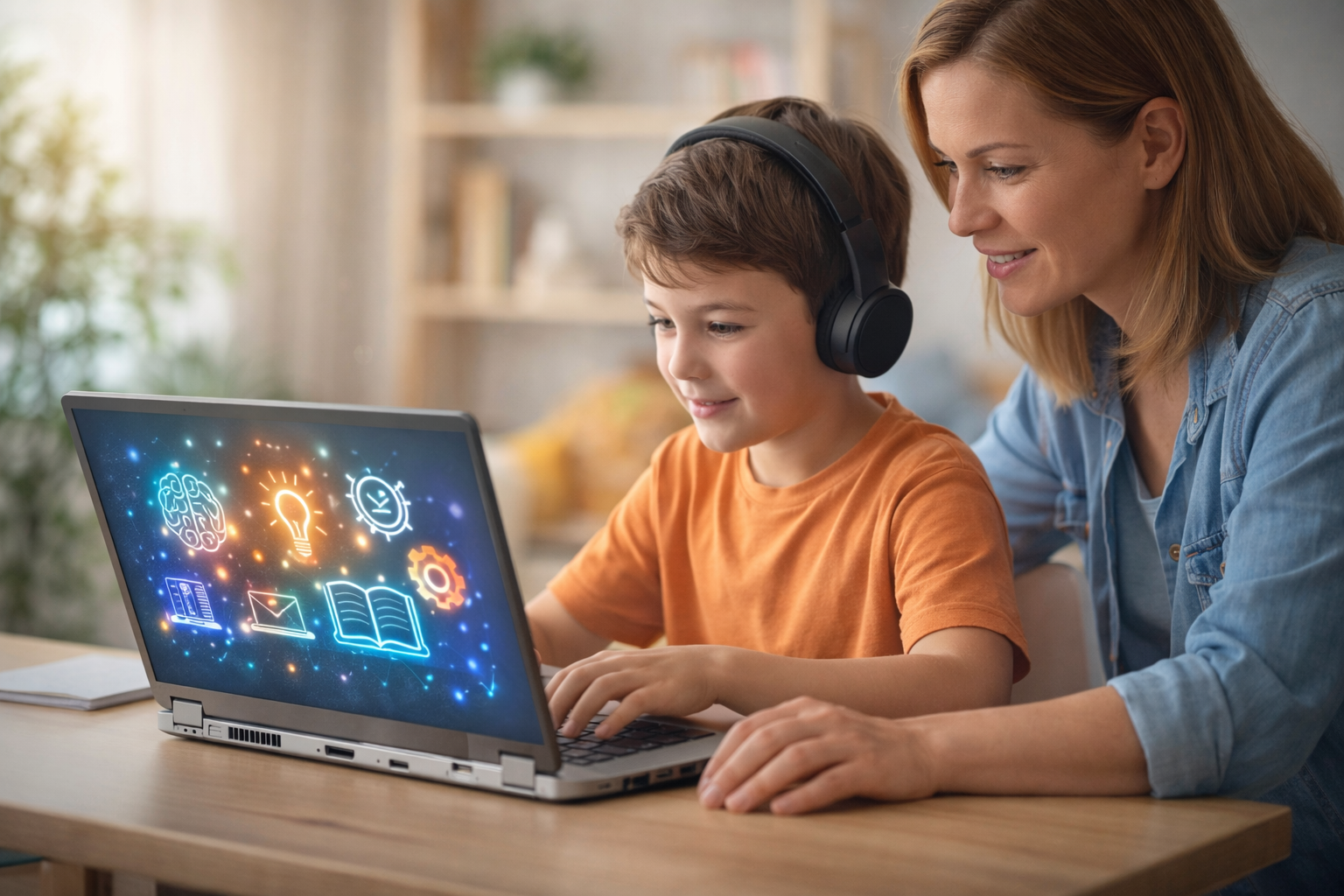
Sit with your child and explore how ChatGPT works. Treat it as a learning tool, not an authority.
Set Clear Rules
Explain what types of questions are allowed and what information should never be shared.
Encourage Verification
Teach children to double-check answers using textbooks, teachers, or trusted websites.
Limit Usage Time
Avoid excessive use to prevent dependency on AI for schoolwork or thinking.
Discuss AI Limitations
Help kids understand that ChatGPT is a tool, not a human expert.
Educational Benefits of ChatGPT for Kids
When used responsibly, ChatGPT can offer benefits:
- Helps explain complex topics in simple language
- Encourages curiosity and exploration
- Assists with brainstorming and creativity
- Supports learning outside the classroom
The key is guided usage, not unrestricted access.
How Kids Can Use AI for Learning (Safely)
Beyond safety concerns, many parents also want to know how AI tools can be used positively for learning. When used responsibly, AI can support homework, creativity, and skill development.
To explore this in more detail, read our guide on how kids can learn smarter with AI.
Tools Parents Can Explore for Safer AI Use
Parents who want extra control and visibility may consider using dedicated tools designed to support safe and responsible AI usage at home.
These tools can help with:
- Monitoring how children interact with AI platforms
- Filtering inappropriate content
- Setting time limits and usage rules
- Creating age-appropriate learning environments
Some parents prefer tools that focus on screen-time management, while others look for AI-specific safety and monitoring features. The right choice depends on your child’s age, independence level, and how AI is being used at home.
Tip for parents:
No tool replaces conversation. Technology works best when combined with clear rules and regular discussions about responsible AI use.
(Recommended tools will be added here once tested and reviewed.)
Final Verdict: Should Kids Use ChatGPT?
ChatGPT is not inherently dangerous, but it is also not a babysitter or teacher replacement. For teenagers, it can be a helpful educational tool when parents stay involved. For younger children, close supervision is essential.
Bottom line:
ChatGPT can be safe for kids if parents set boundaries, monitor usage, and teach critical thinking skills. Like any technology, its impact depends on how it is used.
Frequently Asked Questions About ChatGPT and Kids
Is ChatGPT safe for kids to use?
ChatGPT can be safe for kids when used with adult guidance. While it is designed to avoid harmful content, it may still produce inaccurate or age-inappropriate responses. Parents should supervise usage, set clear rules, and treat ChatGPT as a learning aid—not a replacement for critical thinking.
What age is appropriate for children to use ChatGPT?
ChatGPT is generally recommended for teenagers aged 13 and above, depending on the platform’s terms of use. Younger children should only use it with parental supervision to ensure safe, educational, and age-appropriate interactions.
Can ChatGPT replace homework or school learning?
No. ChatGPT should be used as a support tool, not a replacement for learning. It can help explain concepts or guide problem-solving, but children should still do their own work to build understanding and academic integrity.
Does ChatGPT collect personal data from kids?
ChatGPT processes conversations to generate responses, but parents should avoid allowing children to share personal or sensitive information. Teaching kids basic online privacy rules is essential when using any AI tool.
How can parents make ChatGPT safer for their children?
Parents can improve safety by supervising usage, limiting screen time, discussing appropriate questions to ask, and encouraging children to verify answers using trusted sources. Using AI together with kids often leads to better learning outcomes.
Disclaimer: This article is for informational purposes only and does not replace professional educational or parenting advice.
2 thoughts on “Is ChatGPT Safe for Kids? A Parent-Friendly Guide”
Comments are closed.